They draft meeting minutes, track actions, check documents against the document log and prepare the weekly report. I review everything before it goes out.
One Project Director. A full project office.
Decide fast. Build once.
I lead plant upgrades and new facility projects on the owner's side. Software and AI handle the tracking, document control and weekly reporting that usually take several people. You deal with one person who knows the whole job.
For manufacturers upgrading their operating plants, and for foreign technology companies building in the US.
TODAY
15+
YEARS IN INDUSTRIAL PROJECTS300+
DESIGN PROJECTS BY THE FIRM I BUILT40+
PEOPLE IN THAT FIRMLevel B
IPMA CERTIFIED SENIOR PROJECT MANAGER01 / APPROACH
Everyone plays from one score
A plant project has many players: the technology supplier, licensed engineers, vendors and contractors. Each one keeps its own schedule and its own version of the facts. I put them on one plan, the way an orchestra plays from one score, and I conduct. The plan is yours.
What I bring to every project
The existing plant is laser-scanned before design starts. Every team designs and checks against the same model.
Licensed architects and engineers, 3D modeling teams and scanning crews. They join when the project needs them and work to the same plan.
People make the decisions. Software keeps the record.
02 / SERVICES
Four ways to work together
01
Project review
I go through the scope, schedule, budget and contracts. Five working days after I receive your documents, you get a short report: where the project stands, the main risks and the decisions to make first.
02
Project direction
I act as your Project Director and owner's representative, with KALMBACH as Project Management Contractor (PMC). I help you choose the licensed firms, vendors and contractors and manage their schedules, costs and contracts on one plan. You approve every commitment. I report to you every week on one page.
03
Project recovery
In about 30 days you get a new baseline: scope, schedule, budget and the contract changes needed. If you choose, I then run the project through start-up.
04
Project office setup
I set up the method, the software and the AI tools for your own project team and train the people who use them.
03 / METHOD
Decide fast. Build once.
Speed comes from the order of the work. I developed this method over 15 years on operating plants.
Scan first
Before design starts, the existing plant is laser-scanned and built as a 3D model. Teams design against real conditions. Clashes are fixed on screen, before steel is cut.
Agile decisions, Waterfall commitments
While options are open, the team works in short weekly cycles and the owner decides fast. Before money is committed, the project passes a fixed gate: scope frozen, drawings approved by the engineer of record, budget confirmed.
Foreign technology, local rules
Technology from abroad has to meet US codes and permits and be signed off by firms licensed here. I plan for that from the first day, so the design is not redone later.
The method is described in peer-reviewed articles.
04 / PROJECTS
Selected projects
The first three were done in Russia by the design firm I built and later sold. The fourth is in the US. Owner names are available on request.
Upgrade of an operating polypropylene plant
Laser scan, 3D model and design for work around running equipment. The owner later reported 20% more production capacity.
Ammonia complex, a $1.7B+ project
Design and model coordination for part of the complex.
Treatment units on Dutch process technology
The foreign design adapted to local codes and permits.
Production facility for a European energy technology company
Concept for rebuilding an existing fabrication shop. In progress.
05 / ABOUT
About Ilia
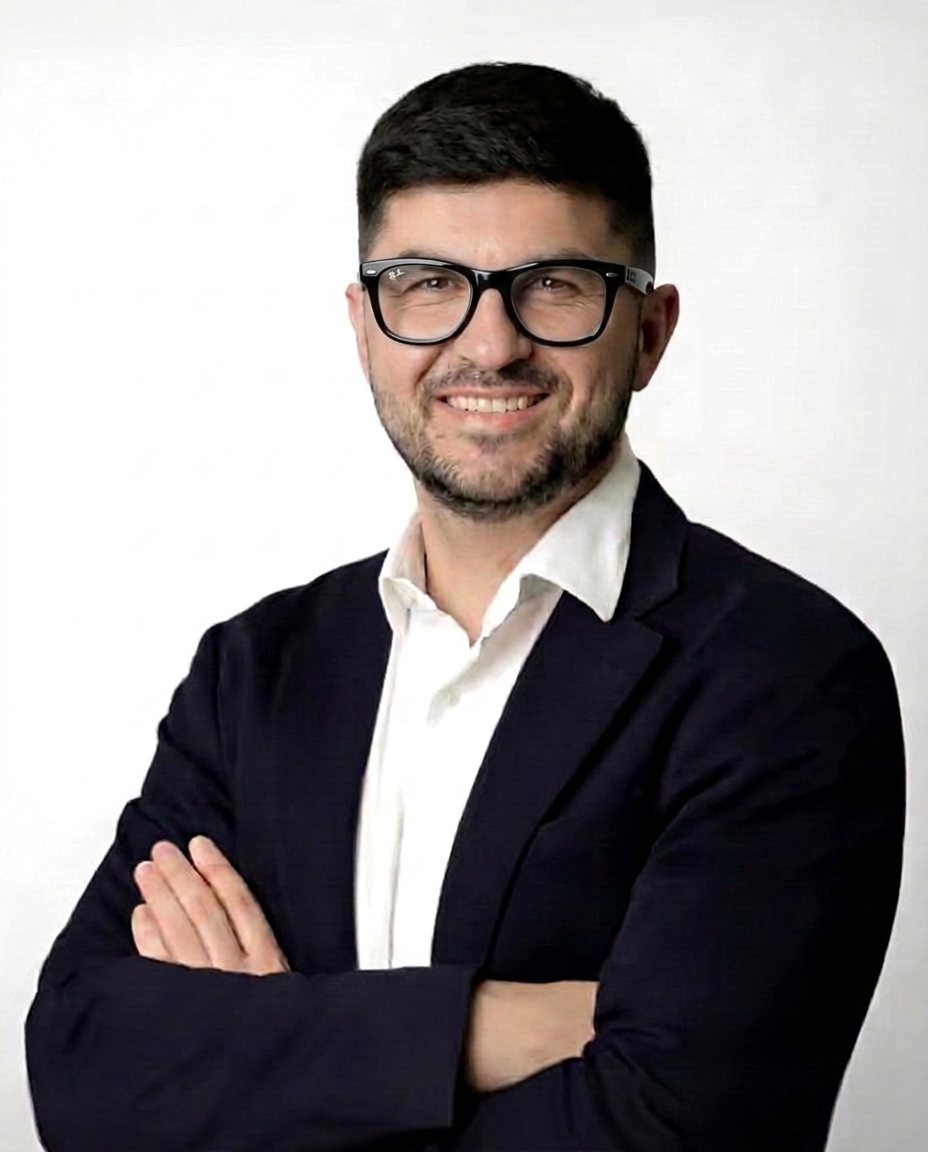
I started as a piping designer and have worked on industrial projects for more than 15 years. In Russia I built EPICON, a design firm, from zero to 40+ people and 300+ projects for chemical, energy and manufacturing plants. We worked with technology companies from Canada, Italy and the Netherlands. I sold the firm and moved to the US.
Along the way I wrote down how we ran projects, turned the method into software and named it Orchestra. Today I run projects in the US through my company KALMBACH in Houston.
In the daily work, AI assistants draft meeting minutes, track actions, check documents against the document log and prepare the weekly report. I review every line before it goes out. The routine disappears, the decisions stay mine.
At the busiest time, my office ran 10 to 20 projects in parallel, in Russia, Georgia and the US. The same method and the same weekly rhythm kept every one of them on one page.
I have also won national rally championships as a co-driver. The co-driver reads the road ahead and calls every turn before the driver sees it. A project needs the same job done.
IPMA Level B, Certified Senior Project Manager (International Project Management Association)
Co-author of Russia's national BIM standards
Author of peer-reviewed articles on digital design and project management
National Business Award (Russia), Innovator of the Year
MSc in engineering and technology, with honors
06 / BEYOND PROJECTS
A book, a product and a company
Surviving in the Digital Age
My book on how AI is changing work: which jobs last and how to build your own plan. Free PDF and EPUB.
Orchestra
Project management software for architecture and engineering teams, built on the method I use on my projects.
KALMBACH
My company in Houston: laser scanning, 3D plant models and project teams. Contracts are signed with KALMBACH ENG LLC.
07 / QUESTIONS
Questions owners ask
No. KALMBACH manages projects. Engineering and architecture are done and sealed by licensed firms, and they make the engineering decisions.
I direct the project. Software and AI keep the plan, the documents and the reports current. Specialists and partner firms join as the work needs them, and you know who they are before you sign.
The plan, the model and every decision are kept in one system, and the data is yours. Another manager can pick the project up from the same records.
Yes, at the key stages and whenever a decision needs it. Between visits, the plan, the model and a weekly call keep the work visible.
The project review is a fixed fee. Project direction is a monthly fee: my time plus any added people, each agreed in advance.
I am based in Houston and work on projects across the United States. Licensed firms are engaged in the state where the plant is.
Bring one project.
30 minutes, online, free. We look at where the project stands and what to decide first.
Book a 30-minute call